
Understanding Your Art Needs and Preferences
Embarking on the journey of selecting art supplies requires a keen understanding of your personal artistic needs and preferences. Whether you're a seasoned artist or a novice, knowing what you want to achieve with your art can significantly influence your choices. Start by asking yourself what type of art you enjoy creating. Are you drawn to the vibrant hues of acrylic paints, or do you prefer the delicate nuances of watercolors? Perhaps you're intrigued by the tactile experience of sculpting with clay or the precision of graphite drawings.
Once you've identified your preferred medium, consider the longevity and quality of the supplies. High-quality materials not only enhance the final outcome but also ensure durability, saving you from frequent replacements. For example, investing in artist-grade paints or archival papers can make a noticeable difference in the longevity of your work. Moreover, understanding your art needs involves recognizing your workflow and environment. Do you need portable supplies for outdoor sketching, or do you have a dedicated studio space that allows for larger canvases? These practical considerations are essential in selecting supplies that enhance your creative process.
Another aspect to consider is your budget. While it’s tempting to opt for the cheapest option, it’s worth considering the balance between cost and quality. Often, slightly higher-priced items offer better performance and durability, making them a more economical choice in the long run. Ultimately, taking the time to understand your preferences and needs helps streamline the process of choosing the right art supplies, ensuring both satisfaction and creative success.
Factors to Consider When Choosing Art Supplies
Choosing the right art supplies can be a transformative experience, turning a simple creative endeavor into a masterpiece. However, with the vast array of options available, it's essential to know what to look for to ensure you make the best choice. Here are key factors to consider when selecting art supplies, ensuring your artistic journey is both enjoyable and successful.
Quality and Durability
One of the foremost considerations is the quality of the materials. High-quality supplies not only offer a better finish and richer colors but are also more durable, standing the test of time. Investing in reputable brands may seem costly initially, but their longevity and superior performance often result in greater value for your money. Remember, a well-crafted brush or a premium canvas can significantly enhance your work's texture and detail.
Purpose and Medium
Before purchasing, consider the purpose of your project and the medium you intend to work with. Different art forms require specific tools; for example, watercolor painting demands particular types of brushes and paper, whereas acrylics work better on different surfaces. Understanding your project's needs will guide you to the most suitable supplies.
Budget Considerations
Art supplies can range from economical to premium-priced items. Set a budget that aligns with your needs and experience level. Beginners might start with more affordable options to explore their interests, while seasoned artists could invest in higher-end products to refine their craft. Look for sales or discounts at art supply stores, which can offer quality products at reduced prices.
Environmental and Ethical Impact
More artists are considering the environmental and ethical implications of their materials. Opt for eco-friendly supplies, such as non-toxic paints and sustainably sourced papers, to minimize your ecological footprint. Additionally, supporting companies that practice ethical manufacturing can be a rewarding aspect of your purchasing decision.
In conclusion, selecting art supplies thoughtfully can greatly influence the outcome of your work and the enjoyment you derive from the creative process.
Evaluating the Quality of Art Supply Materials
When embarking upon a creative journey, selecting quality art supplies is paramount to achieving the desired results and ensuring the satisfaction of your artistic endeavors. But how does one evaluate the quality of art supply materials amidst the plethora of options available? Here, we delve into key considerations that can guide you in making informed choices.
Understanding Material Composition
One of the first steps in evaluating art supplies is examining the material composition. High-quality products typically list their ingredients or components, allowing you to assess their durability and suitability for your projects. For instance, when choosing paints, look for lightfastness ratings indicating how resistant the color is to fading. Similarly, with paper, consider the weight and texture, as these factors influence how well it holds ink or pigment.
Assessing Brand Reputation and Reviews
Brand reputation often serves as a reliable indicator of product quality. Established brands with a history of positive reviews are likely to offer materials that meet high standards. Don’t hesitate to research and read customer testimonials to gauge user satisfaction and potential issues others have encountered with specific products.
Testing for Performance
Whenever possible, test art supplies before committing to a purchase. Many art supply stores offer sample testing areas where you can experience the texture, color payoff, and ease of use for yourself. This hands-on approach can reveal insights that specifications alone cannot convey.
In conclusion, investing time in evaluating art supply materials not only enhances your creative output but also ensures that your projects withstand the test of time. By understanding material composition, considering brand reputation, and testing for performance, you can make confident purchasing decisions that align with your artistic goals.
Top Tips for Ensuring Art Supplies Last Longer
As an art enthusiast, the longevity of your supplies is paramount to both your passion and your pocket. Ensuring that your materials endure the test of time not only maximizes your investment but also sustains your creative journey. Here are some top tips to help your art supplies last longer, while maintaining their quality and usefulness.
1. Store Supplies Properly
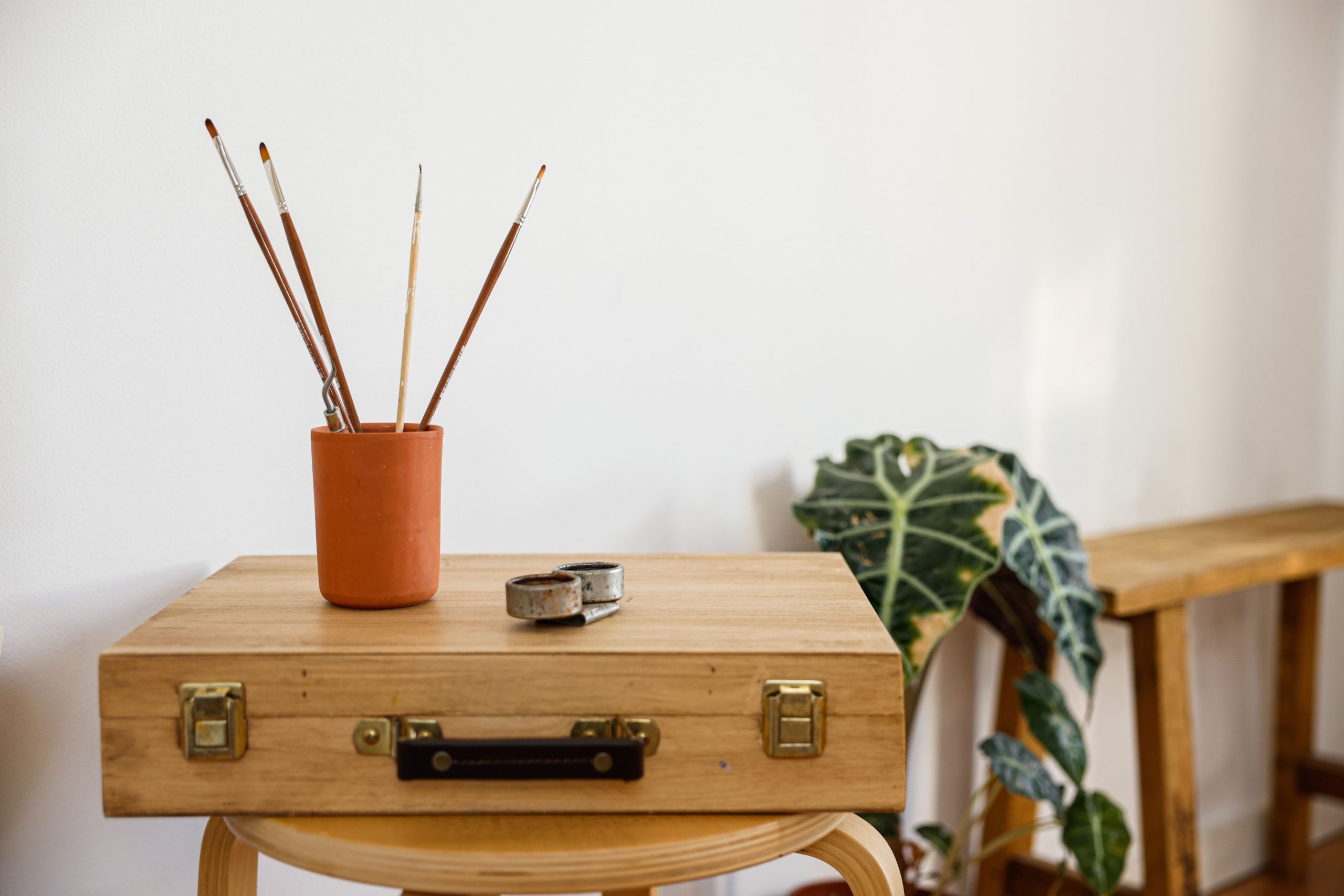
One of the simplest yet most effective ways to prolong the life of your art supplies is to store them correctly. For instance, always cap your paints, markers, and pens securely after use to prevent them from drying out. Keep brushes in a brush holder or a jar, bristles-up, to maintain their shape. Protect paper and canvases from dust and sunlight by storing them in a flat, dry place.
2. Use Quality Materials
Investing in high-quality art supplies can make a significant difference in their lifespan. Cheaper materials might save money initially, but they often wear out faster, leading to more frequent replacements. Quality materials are crafted to endure, providing consistent performance over time.
3. Clean and Maintain Regularly
Regular maintenance is essential for longevity. Clean your brushes thoroughly after each use and ensure they are completely dry before storing. Sharpen pencils carefully to avoid breaking, and clean erasers to keep them effective. This not only preserves the tools but also improves your art-making experience.
4. Use with Care
Handle your supplies gently. Avoid pressing too hard on pencils or applying excessive force on brushes. Treating your materials with care can prevent unnecessary wear and tear, extending their life considerably.
By following these practical tips, you can ensure that your art supplies remain in good condition, allowing you to focus on what truly matters—creating beautiful art.
Maintaining and Storing Your Art Supplies Effectively
Proper maintenance and storage of art supplies play a pivotal role in ensuring longevity and consistent performance. Whether you're a seasoned artist or a novice just starting out, maintaining your supplies not only protects your investment but also enhances your creative process. With a few proactive measures, you can keep your art tools in top-notch condition.
Organized Storage Solutions
Keeping your art supplies organized is the first step toward effective maintenance. Invest in sturdy storage containers or cabinets that offer separate compartments for different types of materials. This prevents damage from clutter and makes it easier to find what you need when inspiration strikes. Clear containers can also help you quickly identify the contents, saving precious creative time.
Climate Control
The environment where you store your supplies significantly impacts their lifespan. Avoid storing art materials in places with extreme temperatures or high humidity, as these conditions can cause paints to dry out or paper to warp. Aim for a cool, dry space to preserve the quality of your supplies.
Regular Inventory Checks
Take the time to conduct regular inventory checks. This allows you to assess the condition of your supplies and discard any that are past their prime. It’s also an opportunity to replenish stocks of essential items, ensuring you’re always prepared for your next project. By implementing these strategies, you’ll not only protect your supplies but also create a more inspiring workspace.


0 Comments