
Artistic Styles and Mediums
Embarking on the journey to discover your artistic style is akin to unlocking a treasure chest of creative possibilities. This exploration is deeply entwined with the choice of medium, each offering a unique pathway to express individuality and emotion. Understanding the interplay between artistic styles and mediums not only enhances your creativity but also aligns with the broader goal of making art accessible and enjoyable for everyone, regardless of their experience level.
Artistic styles range from the traditional to the contemporary, encompassing realism, impressionism, abstract, and beyond. Each style offers a distinct lens through which artists view the world. Realism captures the intricacies of life with meticulous detail, while impressionism focuses on the interplay of light and color. Abstract art, on the other hand, allows for more personal and subjective interpretation, often leading to bold, expressive works.
Mediums, the tools through which creativity manifests, are just as diverse. They range from the classic—such as oil paints and watercolors—to the avant-garde, like digital art and mixed media. Each medium offers its own set of characteristics and challenges. For instance, oil paints provide rich, vibrant colors and a forgiving texture ideal for blending, whereas watercolors require a delicate touch and an appreciation for the fluidity of the medium.
Choosing the right medium can significantly impact the development of your personal artistic style. It is essential to experiment with different mediums to find what resonates with your creative instincts. This exploration not only enhances your skills but also enriches your artistic journey.
Understanding the Importance of Finding Your Unique Artistic Style
Embarking on the journey to discover your unique artistic style is akin to an adventure in self-expression and creativity. For budding artists, this exploration is not merely about creating visually appealing compositions but about forging a distinct voice that resonates with personal experiences and emotions. A unique style serves as a signature, setting you apart in the vast world of art. This distinctiveness not only enhances your personal satisfaction but also boosts your visibility among art enthusiasts who seek originality and authenticity.
Finding your artistic style is essential for several reasons. Firstly, it enhances creative satisfaction. When you work in a style that feels authentically yours, the act of creation becomes more fulfilling. It bridges the gap between imagination and reality, allowing your inner vision to manifest on canvas or through any chosen medium. Furthermore, a unique style can increase your marketability. In a field where originality is prized, having a distinct artistic identity can attract galleries, collectors, and clients who appreciate your unique perspective.
Moreover, developing a personal style encourages continuous learning and evolution. As you experiment with different techniques and mediums, you refine your skills and deepen your understanding of your craft. This process of refinement and growth keeps your work dynamic and engaging, ensuring that your artistic journey is both rewarding and infinite.
Ultimately, discovering your artistic style is about finding and expressing your unique voice. It is about crafting a narrative that speaks to others while staying true to yourself, offering a window into your world through your art. Embrace the process with confidence and curiosity, as each stroke of the brush brings you closer to unveiling your authentic artistic identity.
Exploring Traditional Art Mediums for Beginners
Venturing into the world of art can be a thrilling yet daunting experience, especially for those just starting. Understanding and experimenting with traditional art mediums is a crucial step in this creative journey, offering a foundation on which to build your artistic skills. This exploration not only aids in developing a personal style but also enriches the appreciation of art as a whole. Here, we delve into some of the most accessible traditional art mediums for beginners.
1. Drawing with Pencils
Pencils are often the first tool for budding artists. They are accessible, forgiving, and versatile, providing a range of possibilities from light sketches to detailed illustrations. Graphite pencils, in particular, allow for easy shading and blending, making them ideal for practicing fundamentals like line work and form.
2. Painting with Watercolors
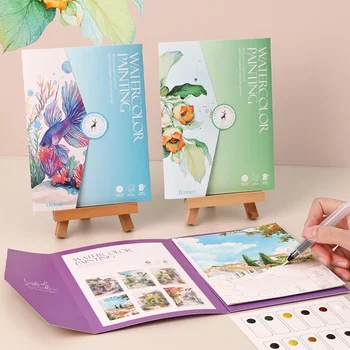
Watercolors offer a unique blend of control and spontaneity, perfect for beginners eager to explore color and texture. This medium is both approachable and challenging, requiring a delicate balance of water and pigment. Watercolor painting encourages experimentation, teaching beginners how to manage light, shadow, and color gradients.
3. Charcoal for Depth and Tone
For those interested in exploring depth, texture, and tone, charcoal is an excellent medium. It is known for its rich blacks and the ability to create dramatic contrasts. Beginners can use charcoal to practice creating dynamic compositions and experimenting with light play.
Choosing the right art medium is a personal decision, often guided by one’s interests and artistic goals. As you explore these traditional mediums, remember that the journey is as important as the destination.
Diving into Modern Art Techniques and Their Impact
In the ever-evolving realm of art, modern techniques present a captivating landscape that beckons exploration. This rich tapestry of innovative methodologies not only revolutionizes the way we perceive art but also broadens the avenues through which artists express themselves. The impact of these techniques is profound, influencing both the creation process and the viewer’s experience.
One of the most remarkable aspects of modern art is its embrace of technology. Digital tools have become an integral part of the artistic process, offering new dimensions of creativity. From digital painting to 3D modeling, artists now have access to a suite of resources that allow them to push boundaries and explore new aesthetic possibilities. Moreover, mixed media art has gained significant traction, encouraging artists to blend traditional methods with contemporary practices. This fusion results in works that are not only visually striking but also rich in texture and depth. The combination of materials such as paint, fabric, and found objects challenges conventional norms, making art more immersive and interactive.
The impact of these modern techniques extends beyond the confines of galleries and studios. They influence cultural dialogues, inspire new art forms, and even shape trends in other industries, such as fashion and design. By engaging with these techniques, artists can connect more profoundly with their audience, offering fresh perspectives and fostering a deeper appreciation for the arts. As you embark on your artistic journey, consider how these modern techniques might inspire your own work. Whether you’re a seasoned artist or just beginning to explore your creative side, embracing new methods can invigorate your practice and lead to unexpected discoveries.
How to Experiment with Various Art Mediums to Discover Your Style
Embarking on the journey to find your unique artistic style can be both exhilarating and intimidating. One of the most effective ways to uncover your creative identity is by experimenting with a diverse array of art mediums. Each medium offers a distinct set of challenges and opportunities that can help refine your artistic voice.
Embrace the Variety
Begin by exploring a variety of mediums such as watercolors, acrylics, charcoal, pastels, and digital art. Each medium has its own texture, method of application, and set of techniques. By immersing yourself in different materials, you gain a better understanding of what resonates with you personally. For instance, if you are someone who thrives on spontaneity, watercolors might appeal to you for their fluidity and unpredictability. Conversely, if precision is your forte, digital art could provide the control and clean lines you seek.
Experiment Intentionally
Approach each new medium with an open mind and a willingness to learn from both successes and failures. Set aside time for playful experimentation without the pressure of creating a masterpiece. This approach fosters creativity and can lead to unexpected discoveries about your preferences and style. Consider keeping a journal to document your experiences and reflections on each medium, noting what you enjoy and what you find challenging.
Reflect and Refine
As you try different mediums, take the time to reflect on how each one affects your creative process and outcomes. Analyze your work critically, identifying patterns or themes that emerge. This reflection is crucial for refining your style and understanding the mediums that best express your artistic vision. Ultimately, the key to discovering your artistic style lies in embracing the journey of experimentation. By engaging with various art mediums, you not only enhance your skills but also uncover the unique voice that sets your art apart.

0 Comments