
Importance of Organizing Art and Craft Supplies
In the vibrant world of art and crafts, the importance of organizing supplies cannot be overstated. Whether you are an amateur crafter or a professional artist, having a well-organized space is essential for creativity, productivity, and efficiency. A clutter-free environment not only sparks inspiration but also reduces stress, allowing for more seamless and enjoyable creative sessions.
Imagine reaching for a specific shade of paint or a particular brush, and it’s exactly where you expect it to be. Such organization saves time and energy, enabling artists to focus more on their creative processes rather than on searching for materials. Proper organization also protects valuable supplies from damage and prolongs their lifespan, ensuring that they remain in pristine condition for future projects.
Enhancing Creativity and Efficiency
When supplies are easily accessible, creativity flows more freely. Artists can effortlessly transition between materials and techniques, experimenting and innovating without unnecessary interruptions. This streamlined process fosters an environment where ideas can blossom, leading to more compelling and original work.
Preventing Waste and Saving Money
Organizing art and craft supplies also mitigates waste. When materials are tucked away haphazardly, it’s easy to forget what you have, leading to duplicate purchases or items expiring before use. By keeping track of inventory, artists can make informed purchasing decisions, thereby saving money and reducing waste.
In conclusion, organizing art and craft supplies is a fundamental practice that supports both the creative and practical aspects of artistry. For those seeking to enhance their craft, investing time in organizing supplies can yield significant benefits, making the artistic journey more rewarding and efficient.
Creative Storage Solutions for Small Spaces
Embarking on creative projects requires not only inspiration but also an efficient approach to storing your art and craft materials, especially when space is limited. Craft enthusiasts often face the challenge of organizing a myriad of supplies within compact areas, a task that requires both ingenuity and practicality. Let’s explore some innovative storage solutions that transform limited spaces into organized craft havens.
Vertical Storage Solutions
When floor space is at a premium, think vertically. Utilize wall-mounted shelves and pegboards to maximize storage without encroaching on your working area. Shelves can hold containers filled with brushes, paints, and other essentials, while pegboards offer versatile hanging options for tools and smaller items. By elevating your supplies, you create a visually appealing and easily accessible setup.
Multi-functional Furniture
Invest in furniture that serves dual purposes. A compact desk with built-in drawers or a fold-out table with hidden compartments can house your art supplies while providing a workspace. Consider storage ottomans or benches with internal storage to keep less frequently used items out of sight yet within reach. These pieces help maintain a clean and organized environment, crucial for fostering creativity.
Clear Containers and Labeling
Clarity is key when organizing craft supplies. Use transparent containers to store materials so you can easily identify what you need at a glance. Label each container, ensuring that every item has a designated spot. This not only saves time but also reduces the frustration of searching for specific supplies in the midst of a creative surge.
Utilizing Everyday Items for Art Supply Storage
Transforming everyday household items into clever storage solutions for your art supplies not only fosters creativity but also proves to be an economical and eco-friendly approach. Whether you are an amateur crafter or a seasoned artist, finding innovative ways to organize and store your materials can greatly enhance your creative process. Let’s explore some ingenious methods to keep your art supplies neat and accessible, ensuring your creative flow remains uninterrupted.
Repurposing Jars and Containers
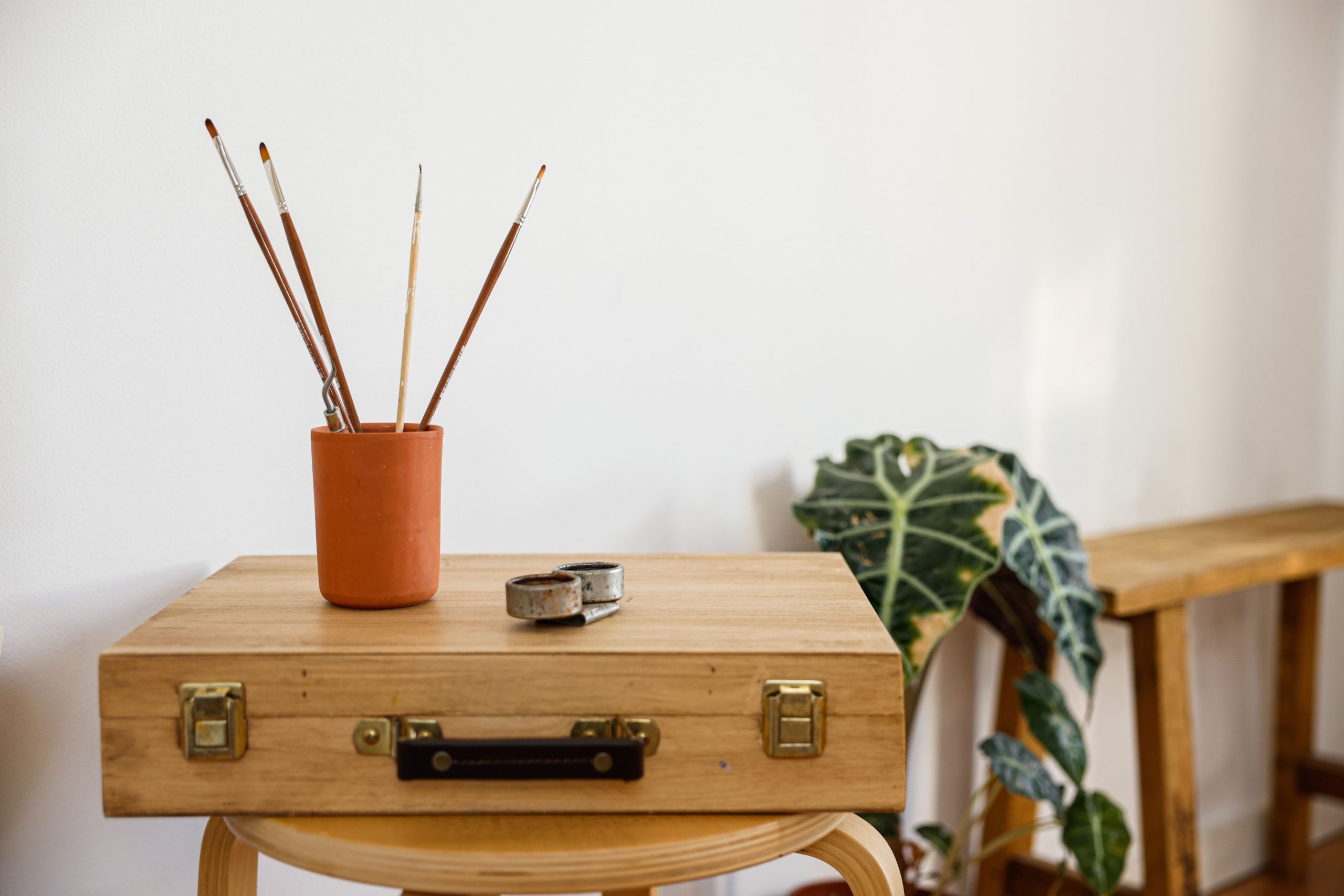
Old jars and containers can be easily repurposed to store a variety of crafting essentials. For instance, glass jars are perfect for holding paintbrushes, pencils, or even buttons and beads. Their transparency allows you to quickly identify contents without rummaging, saving valuable time. Similarly, small tins or plastic containers can be utilized to organize smaller items like paper clips, pins, and thumbtacks. A quick coat of paint or a strip of decorative washi tape can add a personal touch, making storage both functional and visually appealing.
Using Pegboards for Vertical Storage
Utilizing vertical space can be a game-changer, especially in space-constrained areas. Pegboards offer a versatile solution, allowing you to hang tools, scissors, and even smaller baskets to store miscellaneous items. By keeping your materials at eye level, pegboards not only free up desk space but also make every tool easily accessible, promoting an efficient crafting environment.
Repurposing Shoe Organizers
Shoe organizers, often overlooked, can serve as excellent storage solutions for art supplies. The individual pockets are ideal for sorting materials such as yarn, ribbons, or small paint bottles. Hanging these organizers on the back of a door or a closet can maximize your storage capacity without encroaching on your workspace. This method ensures that your supplies are neatly organized while remaining within easy reach.
Incorporating these everyday items into your storage strategy not only declutters your workspace but also fosters a more organized and inspiring environment. By creatively utilizing items you already have, you can maintain an orderly craft space that encourages productivity and sparks creativity.
Craft Room Organization Ideas for Beginners
Embarking on a creative journey often begins by diving into the world of arts and crafts, where the possibilities are as limitless as your imagination. However, the challenge many enthusiasts face is organizing their craft room effectively. A well-organized space not only enhances creativity but also maximizes efficiency, turning a cluttered environment into a productive haven.
For beginners, starting with the basics is essential. First, consider categorizing your supplies. Separate items into groups such as paints, brushes, paper, and embellishments. This not only makes finding what you need easier but also helps in maintaining order. Use clear containers or labeled boxes for easy identification and access. Stackable bins can save space while keeping your tools visible and within reach, making your crafting sessions more enjoyable and less frustrating.
Another practical tip is to utilize wall space. Installing shelves or pegboards can be a game-changer, offering a home for frequently used tools and creating more surface area on your desk. Magnetic strips are also useful for keeping metal tools like scissors and rulers organized and accessible.
Do not overlook the importance of a dedicated workspace. A clean, flat surface free from clutter can significantly boost your productivity. Consider a foldable table if space is limited, allowing you to tuck it away when not in use.
Finally, maintain a routine of tidying up after each crafting session. This habit not only keeps your space orderly but also sets a positive tone for your next creative endeavor. By implementing these organization strategies, beginners can transform their craft room into an inspiring sanctuary.
Maintaining an Organized Workspace for Ongoing Projects
In the vibrant world of arts and crafts, a well-organized workspace is akin to a painter’s palette—each tool and material having its rightful place, ready to inspire your next masterpiece. For those engrossed in ongoing projects, maintaining an organized workspace is not merely a matter of aesthetics; it is essential for efficiency and creativity. An orderly environment fosters a clear mind, allowing you to focus on the intricacies of your craft without the distraction of clutter.
To begin with, consider the layout of your workspace. Position essential tools and frequently used materials within arm’s reach. This strategic placement reduces the need for constant searching, thus saving precious time and energy. Invest in clear storage containers, which not only protect your supplies but also make them easily visible. Labeling these containers can further streamline your workflow, ensuring you can quickly locate what you need.
Utilizing Vertical Space
Vertical space is often underutilized yet holds immense potential for storage. Install shelves above your workspace to store materials that are not immediately needed but are still essential for your projects. Pegboards are another excellent option for hanging tools and supplies, keeping them accessible and off your workspace.
Prioritizing Accessibility
Organize your tools by frequency of use. Items you use daily should be placed within easy reach, while those used less frequently can be stored further away. This approach not only keeps your workspace tidy but also enhances your workflow, allowing you to transition seamlessly between tasks.
Incorporating these strategies into your art and craft space not only optimizes your productivity but also enhances your creative flow. By maintaining an organized workspace, you set the stage for artistic expression without hindrance.



0 Comments