
Understanding Your Skill Level in Art
Embarking on the journey of art can be both exhilarating and daunting. To make this journey enjoyable and fulfilling, it is crucial to understand your current skill level. Whether you are a beginner just starting to explore the world of colors or an experienced artist seeking to refine your techniques, identifying where you stand can inform better choices regarding art supplies and tools.
For beginners, art is a realm of endless possibilities. Starting with fundamental supplies can help build confidence without overwhelming you. Consider basic tools, such as graphite pencils, sketchbooks, and a limited palette of paints. These essentials allow for experimentation, helping you to develop foundational skills without the pressure of complex materials.
As you progress to an intermediate level, your understanding of art techniques will deepen. At this stage, investing in higher-quality brushes, a variety of canvases, and a wider range of paints can enhance your creations. It’s an exciting phase where you can start to experiment with different mediums, such as watercolors or oil paints, to broaden your artistic repertoire.
Advanced artists, with their honed skills, often seek out specialized supplies. This might include professional-grade paints, custom canvases, and sophisticated tools that allow for intricate detail and texture in their work. At this level, every tool has a purpose, supporting the execution of complex artistic visions.
Understanding your skill level in art not only helps in selecting the right supplies but also in setting realistic goals and expectations. It encourages a focus on learning and growth, which is essential for artistic development. As you continue to evolve as an artist, remember that your art supplies are extensions of your creativity, and choosing them wisely can significantly impact your artistic journey.
Basic Art Supplies for Beginners
Embarking on an artistic journey can be both exhilarating and daunting, especially when it comes to selecting the right tools. For novices, the world of art supplies might seem overwhelming, but equipping yourself with the basic necessities does not have to be complicated. Here, we break down the essentials to help you start your creative adventure on the right foot.
The Essentials
When beginning, it’s crucial to focus on versatile and user-friendly supplies. Here are some must-haves:
- Pencils: A set of graphite pencils in varying hardness (HB, 2B, 4B) offers flexibility for shading and sketching.
- Erasers: Consider both a kneaded eraser for precision and a standard eraser for larger areas.
- Paper: Invest in a sketchbook with quality paper that can withstand erasing and reworking.
- Paints: Watercolors or acrylics are ideal for beginners due to their ease of use and clean-up.
- Brushes: A small selection of brushes, including a round and a flat brush, will suffice for diverse techniques.
Setting Up Your Workspace
A conducive workspace can enhance your creative process. Ensure your area is well-lit and organized to prevent distractions. A sturdy table and a comfortable chair can make long art sessions more enjoyable. Moreover, having a dedicated spot for your supplies encourages consistency in practice.
Starting with these basics not only simplifies the process but also builds a foundation for more advanced techniques and materials as you progress. Keep in mind that art is as much about exploration as it is about creation. With these tools, you’re well-equipped to express your creativity and develop your unique style.
Intermediate Art Supplies to Enhance Your Skills
As an artist progressing beyond the beginner stage, it’s crucial to choose art supplies that not only align with your growing proficiency but also inspire further exploration and creativity. Transitioning from basic materials to intermediate art supplies can be a transformative experience, providing you with the tools necessary to refine your techniques and expand your artistic horizons.
Invest in Quality Brushes
For those who have mastered basic brushwork, investing in a range of high-quality brushes can significantly enhance your painting process. Look for brushes made from natural hair, such as sable or hog bristle, which offer superior resilience and control compared to synthetic alternatives. These brushes are ideal for achieving finer details and transitioning between various paint viscosities with ease.
Explore Diverse Painting Surfaces
Moving beyond traditional canvases can invigorate your creative process. Consider experimenting with wood panels, which provide a sturdier surface and allow for more vigorous application techniques. Additionally, watercolorists might find that professional-grade paper offers a more absorbent surface, enhancing the vibrancy and fluidity of their work.
Experiment with Mediums and Textures
Intermediate artists should explore the use of different mediums to add depth and texture to their work. Acrylic mediums, such as gels and pastes, can be mixed with paint to create interesting textures and dimensional effects. Meanwhile, oil painters might enjoy experimenting with impasto techniques, where paints are applied thickly to add a three-dimensional quality to their artwork.
By carefully selecting intermediate art supplies that challenge and complement your skill level, you open the door to endless possibilities for creative expression.
Advanced Art Supplies for Professional Artists
For the professional artist, selecting the right art supplies is not just a matter of preference, but a crucial aspect of their craft. High-quality materials can significantly impact the outcome of a piece, offering the precision and durability needed to execute complex techniques. Whether you’re an established painter, a seasoned sculptor, or an experienced illustrator, the tools of your trade should reflect the level of skill and expertise you bring to your work.
High-Quality Paints and Brushes
Professional artists understand the importance of investing in premium paints and brushes. Brands like Winsor & Newton or Old Holland offer paints with vibrant pigments and excellent lightfastness, ensuring your artwork remains vivid over time. Similarly, choosing brushes made from natural hairs, such as sable or hog, can offer superior control and fluidity, allowing for more expressive brushstrokes.
Advanced Drawing Tools
For those specializing in drawing, having a comprehensive set of tools is essential. This includes high-grade graphite pencils, ink pens, and charcoal sticks. Products from brands like Faber-Castell or Staedtler are renowned for their consistency and precision, catering to the nuanced needs of professional artists. Additionally, acid-free sketchbooks and papers are vital to preserve the integrity of your work.
Specialized Equipment and Mediums
Beyond the basics, professional artists often require specialized equipment and mediums tailored to their specific style and medium. This could include airbrush kits, palette knives, or digital drawing tablets such as those offered by Wacom. These tools enable artists to explore new techniques and push the boundaries of their creativity.
In conclusion, investing in advanced art supplies is more than a necessity for professional artists—it’s an investment in their art career. By choosing the right tools, artists can ensure their work not only meets their high standards but also engages and captivates their audience.
Choosing the Right Art Medium for Your Style
Art is a personal journey, a reflection of one’s inner world, and choosing the right medium can be pivotal in expressing one’s unique style. For artists at any level, whether novice or seasoned, selecting the appropriate art medium can be both exhilarating and challenging. The key lies in understanding your preferences, the kind of art you want to create, and how each medium can enhance your work.
Understanding Different Mediums
Each art medium brings its own set of characteristics and techniques. From the fluidity and transparency of watercolors to the bold and textured strokes of oil paints, every medium offers a distinct avenue for self-expression. For beginners, starting with graphite or colored pencils can be a great way to explore drawing techniques and build foundational skills. These mediums are forgiving, easy to control, and require minimal setup.
Aligning Medium with Artistic Goals
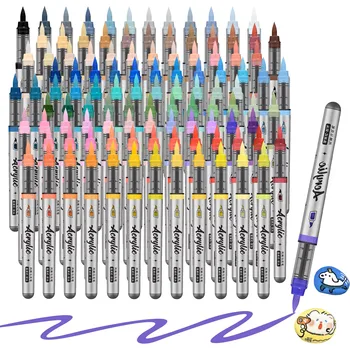
If you’re drawn to vibrant colors and a smooth application, acrylics might be your medium of choice. Acrylic paints are versatile, quick-drying, and suitable for both detailed work and large, expressive canvases. Conversely, if you prefer a more classic approach, exploring the depth and richness of oil paints could offer the tactile experience and blendability that bring your artistic visions to life.
Considering Practical Aspects
Practical considerations such as space, cleanup, and cost also play a role in choosing the right medium. Watercolors and pastels are excellent choices for artists with limited space or those who prefer minimal cleanup. Meanwhile, digital art has gained popularity for its limitless possibilities and the convenience of creating art on-the-go.
By understanding your artistic style and goals, you can choose a medium that not only complements your vision but also enhances your creative process.

0 Comments