
Essential Drawing Supplies for Artists
Embarking on an artistic journey requires not only talent but also the right tools to bring your creative visions to life. For aspiring artists, having essential drawing supplies is crucial in honing skills and expressing artistic ideas effectively. Here’s a guide to must-have drawing tools that will support your artistic pursuits and enhance your creative process.
Pencils and Charcoal
Drawing pencils are fundamental to any artist’s toolkit. A variety of pencils, ranging from hard (H) to soft (B), offer different levels of shading and detailing capabilities. While hard pencils are perfect for fine lines and initial sketches, soft pencils allow for richer, more expressive strokes. Charcoal sticks and pencils are also invaluable for creating bold, dramatic effects and experimenting with light and shadow.
Sketchbooks and Paper
A quality sketchbook is indispensable for capturing spontaneous ideas and practice sketches. Look for sketchbooks with thick, acid-free paper that can handle a variety of media without smudging or bleeding. For more finished pieces, specialized drawing paper or sheets designed for charcoal and pencil work can enhance the texture and depth of your artwork.
Erasers and Blending Tools
Precision is key in drawing, and erasers play a vital role in achieving that. A kneaded eraser can be shaped to erase small details or lighten areas without disturbing the paper. Additionally, blending stumps and tortillons are excellent for smoothing out pencil strokes and creating seamless transitions in shading.
These essential drawing supplies lay the groundwork for any aspiring artist, providing the flexibility and control needed to explore various artistic styles. Whether you are sketching a simple line drawing or working on a detailed masterpiece, these tools help bring your artistic visions to life.
Sketching Pencils and Their Uses
For any budding artist, sketching pencils are an indispensable tool in their creative arsenal. These versatile instruments offer a range of possibilities, from delicate lines to bold strokes, making them ideal for capturing the world on paper. Understanding the different types of sketching pencils and their uses can significantly enhance an artist’s ability to express their vision.
Sketching pencils are generally categorized by their hardness or softness, denoted by letters and numbers. The letter “H” signifies harder pencils, which produce lighter marks. These are perfect for outlining, detailed work, or initial sketches where precision is key. The higher the number preceding the “H”, the harder the pencil—so a 4H pencil is harder than a 2H pencil, producing finer lines, crucial for intricate detailing.
Conversely, “B” pencils are softer, creating darker, more pronounced marks. These are excellent for shading and adding depth to sketches. A 6B pencil, for instance, is much softer and darker than a 2B, ideal for deep shadows and bold, expressive lines. The letter “B” stands for blackness, which is more pronounced in these pencils, allowing for a range of tonal variations.
Choosing the right pencil involves understanding the desired outcome. For those just starting, a set that includes a range from 2H to 6B is an excellent starting point, offering a versatile mix of options. This selection allows artists to experiment and find their preferred style, from delicate details to robust shadows.
Incorporating these insights not only empowers artists in their creative journey but also aligns with our commitment to providing quality art supplies that inspire creativity. Whether you’re a novice or an experienced artist, understanding the nuances of sketching pencils can elevate your artistry to new heights.
Importance of Quality Erasers in Art
For every aspiring artist, the quality of tools can significantly influence their creative journey, and one often underestimated yet vital tool is the eraser. While it might seem like a humble piece of equipment, a quality eraser is indispensable in the world of art. It serves multiple purposes beyond merely correcting mistakes, acting as a versatile instrument that can enhance and refine artistic works.
Firstly, a high-quality eraser offers precision and control, allowing artists to create highlights and subtle details in their drawings. This ability to manipulate light and shadow can transform a flat sketch into a dynamic, three-dimensional piece. Artists often use erasers to lift graphite or charcoal from paper, creating textures and effects that add depth and realism to their work. This makes the eraser not just a corrective tool but a creative one.
Moreover, quality erasers are designed to protect the integrity of the paper. Lesser erasers might smudge or tear the surface, which can be discouraging, especially when working on intricate pieces. Investing in a good eraser ensures that the artist’s work remains clean and precise, maintaining the quality of the medium.
Choosing the right eraser involves considering the type of art being produced. For graphite work, kneaded erasers are favored for their moldability and gentle touch, whereas vinyl erasers are excellent for removing darker marks without damaging the paper.
In conclusion, the role of an eraser in an artist’s toolkit is far more significant than it appears at first glance. It’s not merely about correcting errors but about facilitating the creative process and maintaining the quality of the artwork. As such, artists should consider investing in quality erasers as an essential step in their artistic endeavors.
Choosing the Right Paper for Your Artwork
In the realm of art, the choice of paper can be as pivotal as the choice of medium. For an aspiring artist, understanding the nuances of different types of paper is essential to bringing their creative visions to life. The right paper not only complements the medium used but also enhances the overall aesthetic and durability of the artwork.
Understanding Paper Types
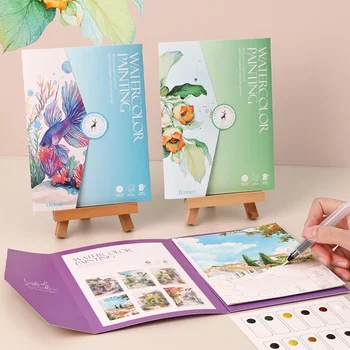
First and foremost, it is crucial to recognize that paper varies in weight, texture, and composition. For instance, watercolor paper typically features a heavier weight and a textured surface, designed to absorb the water-based paints effectively without warping. In contrast, sketch paper is often lighter and smoother, ideal for pencil, charcoal, or ink drawings that require precision and detail.
Matching Paper to Medium
- Watercolor Artists: Opt for cold-pressed or hot-pressed watercolor paper. Cold-pressed paper has a rougher texture, while hot-pressed offers a smoother finish.
- Charcoal and Pastel Enthusiasts: Look for paper with a toothy texture to hold the medium well, such as pastel paper or textured drawing paper.
- Ink and Pen Users: Choose smooth, bleed-resistant paper like bristol board for clean, sharp lines.
Quality and Longevity
Quality should be a primary consideration, especially for those looking to sell or display their work. Acid-free paper ensures that artwork does not yellow or degrade over time, preserving the integrity of the piece. Investing in high-quality paper might seem like an extravagant expense, but it is a wise choice for any serious artist aiming to create lasting works.
Variety of Brushes for Different Techniques
For every aspiring artist, the brush is not just a tool—it’s an extension of their creative expression. The choice of brush can significantly influence the outcome of an artwork, making it essential to understand the variety of brushes available and their specific uses. From the soft, delicate strokes of a round brush to the bold, sweeping lines of a flat brush, each type brings its own unique flair to the artist’s palette.
Understanding Brush Types
There are several types of brushes that every artist should consider incorporating into their toolkit:
- Round Brushes: Ideal for detailed work, these brushes have a pointed tip that excels in creating fine lines, intricate details, and smooth, controlled strokes. They are versatile, making them a staple in any artist’s collection.
- Flat Brushes: With their squared-off edge, flat brushes are perfect for bold strokes, filling in large areas, and creating sharp edges. They are excellent for backgrounds and washes.
- Filbert Brushes: Combining the attributes of round and flat brushes, filberts are great for blending and creating soft edges, making them a favorite for portrait and landscape painting.
- Fan Brushes: These are particularly useful for textural effects, such as foliage, clouds, and fur. The spread-out bristles allow for delicate blending and intricate textures.
Choosing the Right Brush for Your Medium
Different mediums may require different brush types for optimal results. For instance, watercolor artists often prefer softer brushes that hold more water, while acrylic painters might opt for synthetic brushes that can withstand the medium’s quick-drying nature. Oil painters, on the other hand, frequently use bristle brushes that can handle the thickness of the paint.
In conclusion, understanding and selecting the right brush can elevate your artwork to new heights. By experimenting with various brushes, artists can discover new techniques and refine their personal style.


0 Comments