
Introduction to Sewing Basics
Embarking on the journey of sewing can be an exciting and fulfilling endeavor. Whether you’re driven by the desire to create your own wardrobe, craft unique gifts for loved ones, or simply explore a new hobby, sewing offers a world of creative possibilities. However, like any new pursuit, it begins with understanding the essentials. This guide will introduce you to the foundational tools and concepts that every beginner should familiarize themselves with.
First and foremost, sewing is as much about the tools you use as it is about the skills you develop. Imagine trying to paint without brushes or cook without utensils; similarly, sewing requires a basic toolkit to get started. The essentials include items like needles, thread, fabric scissors, measuring tape, and a seam ripper. Each tool serves a unique purpose and plays a crucial role in ensuring that your projects come together seamlessly.
Furthermore, understanding the basic sewing techniques is vital. For beginners, mastering simple stitches such as the running stitch or the backstitch can lay a strong foundation for more complex projects in the future. These stitches not only form the backbone of many sewing projects but also instill confidence as you progress.
As you delve deeper into the world of sewing, remember that patience and practice are your best allies. Embrace the learning curve, and don’t be afraid to make mistakes—they are merely stepping stones to mastery. And when you’re ready to take the next step, consider expanding your toolkit to include more advanced items like a sewing machine or specialized presser feet.
Whether you are aiming to mend clothes, craft accessories, or design entire outfits, the possibilities are endless with sewing. So, gather your tools, ignite your imagination, and embark on a creative journey that is uniquely yours.
Understanding the Importance of the Right Tools
Embarking on the journey of sewing is much like setting sail on an uncharted sea; the right tools can be your guiding stars. For beginners, understanding the significance of selecting the appropriate tools is essential to a successful and enjoyable sewing experience. The right tools not only streamline your sewing projects but also elevate the quality of your creations, ensuring that each stitch is precise and enduring.
Imagine tackling a sewing project with dull scissors or a sewing machine that frequently jams. Such obstacles can quickly turn a passion for sewing into a frustrating chore. This is why investing in quality tools is not just a recommendation but a necessity. Essential tools such as fabric scissors, a dependable sewing machine, and various needles tailored for different fabrics, form the cornerstone of a well-equipped sewing kit.
Moreover, these tools are designed to address common challenges faced by novices. For instance, using a seam ripper can effortlessly fix errors, while a measuring tape ensures accuracy in sizing and fitting. Each tool plays a pivotal role, whether in cutting fabric smoothly or aligning seams precisely, contributing to a seamless sewing experience.
As you begin to stock your toolkit, remember that the quality of your tools will reflect in the quality of your work. Investing wisely in these essentials is akin to laying a strong foundation for your sewing journey. By doing so, you unlock the potential to create beautiful garments, decor items, and more with confidence and skill.
Essential Sewing Tools for Beginners
Embarking on your sewing journey can be an exciting adventure, filled with creativity and the joy of crafting something with your own hands. To ensure a smooth start, it’s crucial to equip yourself with the right tools. Here, we’ll guide you through the essential sewing tools every beginner should have in their toolkit.
1. Measuring Tools
An accurate measurement is the cornerstone of successful sewing projects. Start with a measuring tape, preferably one that is flexible and durable. A clear ruler and a seam gauge are also handy tools for precise measurements, especially for hems and seam allowances.
2. Cutting Tools
Investing in high-quality cutting tools is vital. A pair of sharp fabric scissors is a must-have, reserved solely for cutting fabric to maintain their sharpness. Additionally, consider a rotary cutter for cutting straight lines, and a small pair of snipping scissors for threads and intricate cuts.
3. Sewing Machine
A reliable sewing machine can make a significant difference in your sewing experience. Beginners might opt for a basic model with essential features like straight and zigzag stitches. As you grow more confident, you can explore machines with more advanced functionalities.
4. Pins and Needles
Pins and needles are indispensable in sewing. Opt for glass-head pins as they won’t melt if you accidentally iron over them. A variety of hand sewing needles will also be useful for different fabrics and purposes, such as a needle threader which can be a real time-saver.
5. Thread
Good quality thread ensures the durability of your projects. A basic set of polyester threads in neutral colors like black, white, and grey will cover most sewing needs. As you progress, expand your palette to match different fabrics.
6. Iron and Ironing Board
Pressing your fabric before and during sewing is an often overlooked but crucial step. An iron with adjustable settings and a sturdy ironing board will help maintain precision and neatness in your projects.
Choosing the Right Fabric for Your Projects
Selecting the right fabric is a crucial step in any sewing project, particularly for beginners who are just starting to explore the world of needle and thread. The fabric you choose can make or break your project, affecting the final look, feel, and fit of the garment or craft you’re creating. Therefore, taking the time to understand different types of fabrics and their uses is essential.
Understanding Fabric Types
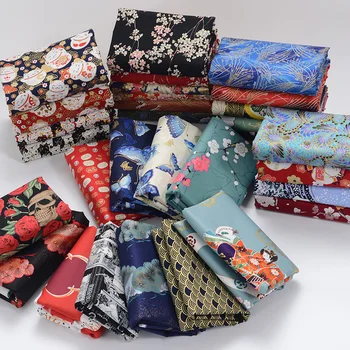
Fabrics are broadly categorized into natural and synthetic fibers, each offering unique characteristics. Natural fibers such as cotton, linen, and wool are breathable and easy to work with, making them ideal for beginners. Cotton, in particular, is a popular choice due to its versatility and ease of handling. On the other hand, synthetic fibers like polyester and nylon offer durability and are often wrinkle-resistant, which can be beneficial for specific projects.
Consider the Project’s Purpose
Before purchasing fabric, consider the purpose of your project. Are you crafting a lightweight summer dress or a cozy winter quilt? For garments that require a bit of stretch, such as leggings or swimwear, knits or stretchy fabrics are a suitable choice. Conversely, for structured items like jackets or bags, sturdier fabrics such as denim or canvas are preferable.
Fabric Weight and Drape
The weight and drape of the fabric are equally important. Lightweight fabrics like chiffon and voile are perfect for flowing, airy garments, while heavier fabrics like corduroy and tweed provide structure and warmth. Drape refers to how the fabric falls, and it can significantly impact the silhouette of your finished piece.
Ultimately, selecting the right fabric involves a balance of personal preference, project requirements, and fabric properties. By understanding these elements, you can make informed decisions that enhance your sewing projects.
Additional Supplies to Enhance Your Sewing Experience
Embarking on your sewing journey can be an exhilarating adventure filled with creativity and satisfaction. While the basic sewing kit serves as your foundation, there are additional supplies that can significantly enhance your sewing experience, making it not only more enjoyable but also more efficient. Investing in these tools can elevate your projects from simple creations to masterpieces.
1. Cutting Tools
Though a pair of fabric scissors is essential, consider adding a rotary cutter to your toolkit. A rotary cutter allows for precise cuts, especially when paired with a self-healing cutting mat. This combination can save time and improve accuracy, particularly for intricate patterns or quilting projects.
2. Marking Tools
Accurate markings are crucial for successful sewing projects. Chalk pencils, tailor’s chalk, and erasable fabric pens each offer different benefits for marking fabric. Tailor’s chalk is perfect for thicker fabrics, whereas fabric pens work wonders on delicate textiles. These tools can help ensure that your sewing lines are accurate, reducing errors and enhancing the quality of your work.
3. Measuring Devices
Beyond the standard tape measure, a clear acrylic ruler is a fantastic addition to your sewing supplies. It provides a sturdy guide for rotary cutting and ensures your measurements are precise. A seam gauge is another useful tool, particularly when adding hems or seam allowances.
4. Pressing Tools
An iron and ironing board are staples, but consider a tailor’s ham and sleeve roll for more specialized pressing. These tools help shape garments, making them look more professional. A small, portable steamer can also be a handy tool for quick touch-ups, especially for those on-the-go projects.
These additional supplies not only refine your sewing skills but also expand the range of projects you can undertake. Each tool is designed to address specific challenges, making your sewing experience smoother and more enjoyable. As you grow more confident in your sewing journey, you’ll find that these enhancements can transform the way you approach each project.


0 Comments